What's wrong with Fishin Frenzy — and why people still play it
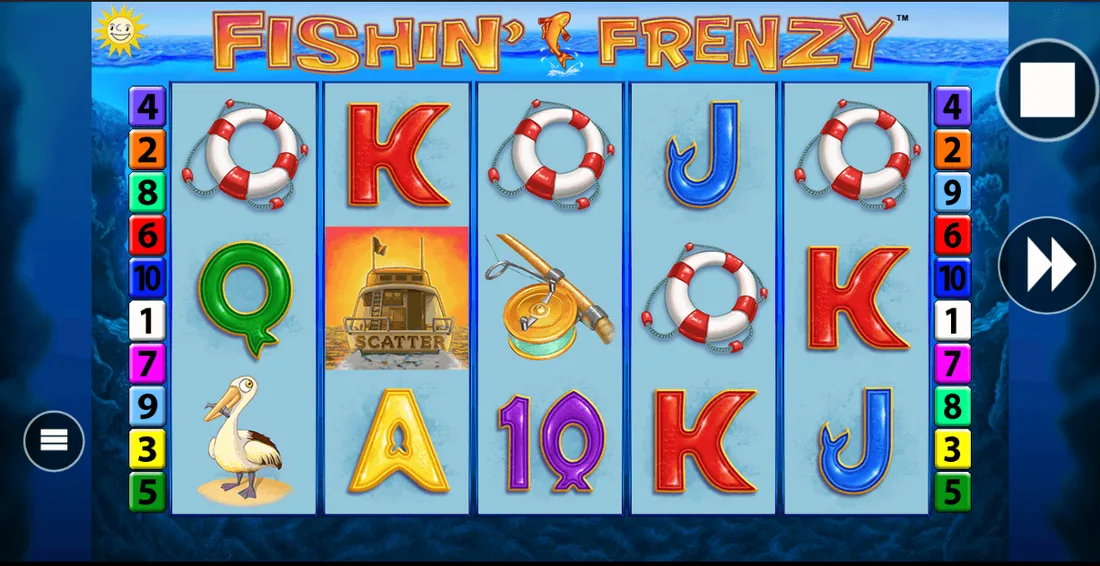
Here's the first thing no one tells you: Fishin Frenzy is a decade-old slot that Blueprint Gaming built around a single mechanic — fish symbols carry cash prizes, and during free spins a fisherman wild collects them. That's it. No progressive jackpot, no cascading reels, no cluster pays. Just 10 fixed paylines on a 5×3 grid, medium volatility, and a 96.12% return-to-player figure that sits slightly above the UK market average.
The problem isn't the game. The problem is that most people spin it without understanding where the money goes. You chase free spins because that's where the fisherman appears, but three scatter symbols only land once every 100 to 150 spins on average, and base-game wins barely cover the cost of waiting. By the time you trigger the bonus, you've already spent £20 to £50 depending on your stake, and the free spins need to collect enough fish prizes to claw that back. Sometimes they do. Often they don't.
Where it came from and why it stuck around
Blueprint Gaming released Fishin Frenzy in the mid-2010s as a straightforward fishing-themed slot for the UK market. It became one of the most-searched casino games in Britain not because it's innovative — it isn't — but because the mechanic is easy to explain and the free spins feel like they reward patience. The fisherman-and-fish collector setup has since been cloned by dozens of other studios, but the original remains the version most UK players recognise.
Blueprint holds a UK Gambling Commission remote operating licence, and Fishin Frenzy appears in the lobbies of most UKGC-licensed operators. You'll find it at sites like BetVictor, Paddy Power, and William Hill, though the game's popularity means it's often featured near the top of the slots category. That visibility keeps it in play, even as newer titles with higher max wins and more complex features launch every month.
How a round actually works, step by step
You select a total bet — anything from £0.10 to £100 in most UK lobbies, though the £5 per-spin stake cap introduced for all players, and the £2 cap for those aged 18 to 24, will limit the top end. All 10 paylines are always active, so you're choosing one number, not line count and coin value separately.
The reels spin, and you're paid for matching symbols left-to-right on any of those 10 lines. Fish symbols appear on every reel and carry prize values — £0.50, £1, £2, £5, £10, £15, £20 — but they don't pay anything in the base game. They just sit there. The fisherman wild substitutes for other symbols and helps form wins, but he doesn't collect the fish prizes unless you're in free spins.
Land three, four, or five boat scatter symbols anywhere on the reels, and you trigger 10, 15, or 20 free spins. During this bonus round, every time the fisherman wild lands, he collects the cash values from all visible fish symbols on that spin. Those collected amounts are added to your total, independent of payline wins. The feature ends when your free spins run out, and you return to the base game.
What the numbers mean for your wallet
RTP of 96.12% means the game is programmed to return £96.12 for every £100 wagered across millions of spins. That's a long-term statistical average, not a session guarantee. Medium volatility suggests wins arrive at a moderate frequency, but the gap between base-game payouts and bonus-round payouts is wide. You'll pick up small wins — 2× or 5× your stake — often enough to slow the bleed, but the real money comes from free spins where the fisherman lands multiple times and collects high-value fish.
The maximum win is 5,000× your stake, capped at £250,000 per game round under UKGC rules. That means a £0.50 spin could theoretically return £2,500, but you'd need an exceptional free spins round with the fisherman appearing on nearly every spin and multiple high-value fish on screen each time. Most bonus rounds pay between 10× and 100× your stake — enough to recover some losses or book a modest profit, but nowhere near the cap.
Where you can play it legally in the UK
Every site offering Fishin Frenzy to British players must hold a UK Gambling Commission remote operating licence. The licence number sits in the footer of the site — usually a six-digit reference followed by R-xxxxxx format — and you can cross-check it against the UKGC public register to confirm the operator is authorised. If the site doesn't display a licence number, it's operating illegally in the UK, and you have no regulatory protection if something goes wrong.
Look for operators that accept Faster Payments or Open Banking for deposits and withdrawals, and check that they block credit cards — those have been banned for gambling transactions in the UK since April 2020. Debit cards, PayPal, Apple Pay, and paysafecard are standard. Withdrawal times vary: e-wallets process in a few hours to 24 hours, Faster Payments to your bank take the same day to two working days, and debit card returns can take one to three working days.
Before your first withdrawal, the operator will ask for identity documents — passport or driving licence, plus proof of address. This is a legal requirement, and the verification process typically takes 24 to 48 hours. Affordability checks now start at £150 net deposits per month, using credit-reference data at the first stage, and operators must offer deposit limits and links to GAMSTOP, the UK's national self-exclusion scheme.
| Example operator | Welcome offer | Withdrawal method | Verification time | |
|---|---|---|---|---|
| BetVictor | Varies by promotion, always with wager requirement | Faster Payments, e-wallet | 24–48 hours | → |
| Paddy Power | Typically matched deposit up to a cap, 35× wager common | PayPal, debit card | 24–48 hours | → |
| William Hill | Free spins or matched deposit, terms apply | Faster Payments, PayPal | 24–48 hours | → |
Demo mode: what it shows and what it hides
Most UKGC-licensed sites let you try Fishin Frenzy in demo mode once you've logged in and passed age verification. You spin with virtual credits — typically £100 to £1,000 — and the game behaves identically to real-money play in terms of reel positions, RTP, and feature frequency. The random number generator is the same, so a free spins round in demo pays out the same range of results you'd see with real stakes.
What demo mode doesn't show: the psychological weight of watching your balance drop £20, £50, £100 while you wait for a bonus that might return half of it. The numbers on screen are identical, but the emotional cost is absent, and that warps your perception of how long your bankroll will last. If you trigger free spins three times in 200 demo spins and walk away £200 up in virtual credits, you'll remember that sequence. If you then play 200 real spins at £0.50 each — a £100 outlay — and only trigger the feature once for a £30 return, the maths hasn't changed, but your wallet has.
Use demo mode to understand the timing: how many spins it takes on average to see three scatters, how often the fisherman appears during free spins, and how much the fish prizes vary. Then multiply your intended stake by 200 to estimate the cost of that learning process in real money. If the number makes you uncomfortable, adjust your stake or reconsider the session entirely.
Where your bankroll leaks in the first week
The biggest mistake is chasing losses after a cold stretch. Medium volatility means you'll hit dry runs of 50 to 100 spins where base-game wins return 20% to 40% of your total wager, and the instinct is to keep spinning until the free spins feature resets the balance. That only works if the feature hits soon and pays well. If it doesn't, you've doubled down on a losing session, and the hole gets deeper.
- Ignoring the £5 and £2 stake caps: some offshore sites let you bet higher, but they're not UKGC-licensed, and you lose access to GAMSTOP and regulatory dispute resolution.
- Treating free spins bonuses as free money: a 35× wagering requirement on a £20 bonus means you must wager £700 before you can withdraw, and Fishin Frenzy's 96.12% RTP suggests you'll lose £27 of that £700 over time — more if you hit a bad run.
- Playing through affordability checks without pausing: if your deposits cross £150 in a month and the operator starts asking questions, it's a signal to review your spending, not a hurdle to bypass.
- Assuming every free spins round will recover your losses: the fisherman only collects fish prizes when he lands, and he's a wild symbol with a lower reel weight than regular symbols. Some bonus rounds see him once or twice in 10 spins, collecting £5 total.
Set a session budget before you start, and divide it by your stake to calculate how many spins you can afford. If that number is fewer than 100, you're underfunded for a medium-volatility game where the feature triggers every 100 to 150 spins on average. Either lower your stake or top up your budget, but don't start the session hoping to defy the maths.
Short glossary for the first 50 spins
- RTP (return to player): the percentage of all wagers the game pays back over millions of spins. 96.12% means the house edge is 3.88%.
- Volatility: how win size and frequency balance out. Medium volatility sits between low (frequent small wins) and high (rare large wins).
- Scatter: the boat symbol that triggers free spins. Three or more anywhere on the reels start the bonus.
- Wild: the fisherman symbol that substitutes for other symbols to complete paylines. In free spins, he also collects fish prize values.
- Wagering requirement: the multiple of a bonus amount you must wager before you can withdraw winnings. A £20 bonus with 35× wagering requires £700 in total bets.
- GAMSTOP: the UK's national self-exclusion scheme. One registration blocks every UKGC-licensed site for six months to five years.
- Affordability check: the process operators use to verify you can afford your deposits, starting at £150 net per month using credit-reference data.
- Stake cap: the maximum bet per spin. £5 for most players, £2 for those aged 18 to 24, enforced across all UKGC-licensed slots.
FAQ
Can I play Fishin Frenzy for free without signing up?
Most UKGC-licensed operators require you to log in and pass age verification before accessing demo mode, even though you're playing with virtual credits. A handful of affiliate sites host unregulated demo versions, but those won't reflect the exact reel settings or RTP of the licensed game. If you want an accurate test, create an account at a licensed casino, verify your age, and use their demo lobby.
Why does the bonus round sometimes pay almost nothing?
The fisherman wild has to land during free spins to collect the fish prizes, and he's weighted to appear less frequently than regular symbols. If he only shows up once or twice in 10 spins, and the fish on screen at that moment carry low values — £0.50 or £1 — the total collected might be £2 to £5. That's not a glitch; it's how the maths model works. Some rounds pay 50× or 100× your stake, others pay 5×. Medium volatility guarantees neither outcome.
Is Fishin Frenzy rigged if I lose ten sessions in a row?
No. A 96.12% RTP means the game keeps 3.88% of all wagers over time, and medium volatility means results cluster unevenly. Ten losing sessions is statistically possible — even likely — if your stake is high relative to your bankroll and you're not hitting free spins at the expected frequency. Every UKGC-licensed version of the game uses a certified random number generator tested by independent labs. The house edge is transparent, not hidden. If you've lost more than you can afford, that's a spending problem, not a rigging problem. Register with GAMSTOP or contact BeGambleAware for support.